
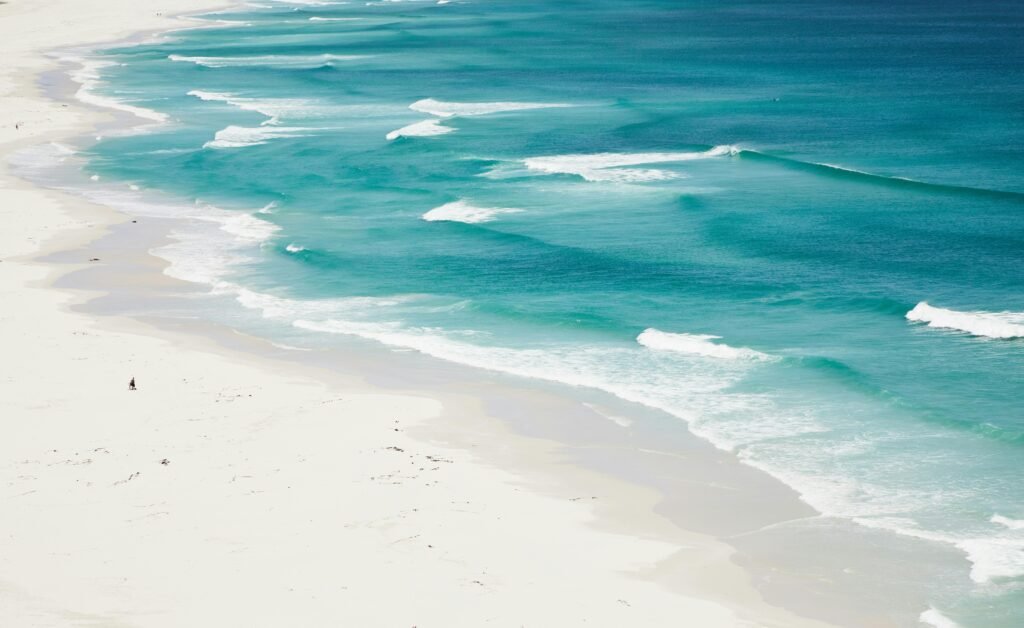
The phrase “where the land meets the sea, magic happens” captures the beauty and mystique of the coastline, where the earth and water converge. This border, where land and sea meet, is often seen as a place of transformation, where the dynamic forces of nature create something special. Here’s a deeper dive into the concept:
1. The Coastal Landscape and Its Diversity
The coastline varies widely depending on geographical location, offering an incredible range of landscapes. From the icy shores of the Arctic and Antarctic to the tropical beaches of the Caribbean, coastal regions provide some of the most diverse ecosystems on the planet.
- Rocky Shores: In some places, the coastline is lined with jagged cliffs and rocky outcrops, often formed by volcanic activity or the slow erosion of mountains. These areas are home to seabirds like puffins, ospreys, and eagles, as well as unique plant life that can withstand harsh winds and saltwater.
- Sandy Beaches: On the other hand, sandy beaches are the iconic symbol of coastlines, stretching for miles. Sand dunes, constantly shifting with the wind, and long stretches of pristine shoreline make these areas popular for recreation but also for their role in the ecosystem. They act as barriers to protect inland areas from storms and tides.
- Mangroves and Wetlands: Coastal wetlands, including mangrove swamps, are home to some of the planet’s most crucial biodiversity. Mangroves, with their complex root systems, stabilize shorelines, prevent erosion, and act as nurseries for marine life. Wetlands act as filters, removing pollutants and enhancing water quality.
- Estuaries and Salt Marshes: These areas, where fresh water from rivers meets the saltwater of the sea, are some of the most productive environments on Earth. The salinity gradients create a range of habitats for fish, crabs, and migrating birds. Estuaries also act as buffers against flooding, absorbing excess water during storms.
2. Marine Currents and Coastal Dynamics
Coastal areas are not just defined by the land, but also by the interactions with the oceans. Ocean currents play a pivotal role in shaping the environment at the land-sea interface. These currents, whether warm or cold, affect the climate and ecosystem along the coastline.
- Upwelling Zones: In some coastal regions, cold water from the deep ocean rises to the surface (upwelling), bringing with it nutrients that sustain marine life. This phenomenon is critical for fisheries and supports diverse ecosystems in places like the west coasts of continents such as North and South America, or parts of Africa.
- Gulf Stream: One of the most powerful currents in the world, the Gulf Stream, brings warm water from the Gulf of Mexico up along the eastern United States and across the Atlantic. It has a significant impact on the weather, making parts of Europe warmer than expected at their latitude and affecting local marine life.
- Tidal Forces and Waves: Waves are driven by wind, and the size and energy of waves depend on wind speed and the distance over which the wind blows. Large waves can reshape coastal landscapes dramatically, carving out coves or eroding cliffs. The regular rise and fall of tides are determined by the gravitational pull of the moon, and this cyclical pattern shapes life along the coastline.
3. Human History and Settlement
Historically, coastal areas have always been places of settlement and cultural development. Early human societies often built their communities near coastlines for the resources the sea provided: food, transport, and trade routes. Over time, these coastal settlements grew into the bustling ports and cities we see today.
- Trade Routes: Coastlines have been essential for maritime trade for thousands of years. Ancient civilizations like the Phoenicians, Greeks, and Romans established trade routes that connected the Mediterranean and beyond, with bustling ports and harbors playing central roles in these empires.
- Cultural Significance: Many coastal peoples, such as the Polynesians, have developed deep cultural connections to the sea, creating navigation systems based on stars and ocean currents. The coastline is often a place where myths, stories, and rituals converge, with the ocean serving as a metaphor for life’s mysteries.
4. Environmental and Ecological Significance
The coastline acts as a buffer zone between the land and the sea, protecting inland areas from storms, flooding, and erosion. Coastal ecosystems, such as dunes, wetlands, and coral reefs, provide essential services, including water filtration, carbon sequestration, and natural flood control.
- Coral Reefs: Coral reefs are among the most biologically diverse ecosystems on Earth. They are vital for marine life, providing shelter and food for fish, mollusks, and other organisms. These reefs thrive in shallow, warm waters near coastlines, forming intricate underwater structures that protect the land from the force of waves.
- Salt Marshes and Mangroves: These wetlands play an essential role in absorbing excess water during storms, reducing the impact of flooding. Mangroves act as a barrier against storm surges, their roots preventing coastal erosion. They are also nurseries for many marine species, including commercially important fish.
- Coastal Forests: On the landward side, coastal forests—such as those in temperate or tropical regions—offer further protection. Trees like coastal pines and cypress absorb rainwater and act as windbreaks, helping to stabilize the coastline.
5. Coastal Weather and Microclimates
The presence of both land and sea creates unique microclimates along coastlines. Coastal regions often have more moderate temperatures compared to inland areas, thanks to the heat-absorbing properties of water. The water’s thermal mass acts as a buffer, warming the land in winter and cooling it in summer. This makes coastal areas more habitable and attractive for human settlement.
- Sea Breezes: One of the signature features of coastal climates is the sea breeze. During the day, land heats up faster than water, causing air over the land to rise. This creates a low-pressure system, drawing cooler air from the sea to replace it. This natural air circulation can create refreshing breezes that make coastal living pleasant.
- Coastal Storms and Hurricanes: While the coastline can offer calm, it can also bring intense weather phenomena like hurricanes, typhoons, and cyclones. These storms arise in the warm waters of the ocean, gathering strength before reaching the coast, often leading to powerful waves, heavy rainfall, and flooding. The dynamic interaction of oceanic and atmospheric conditions in coastal regions makes them prone to extreme weather events.
6. The Mystique and Spirituality of the Coastline
The land-sea boundary holds a powerful symbolic meaning. Water often represents the unconscious mind, the unknown, or a sense of infinity. The coastline, as a physical meeting point between land and water, symbolizes the intersection between the conscious and unconscious, the known and the mysterious.
- Spiritual Significance: Many cultures see the coast as a spiritual space, one of transition and transformation. It’s a liminal space, a threshold between two worlds—earth and water, human and divine. People have used coastlines for rituals, meditation, and spiritual reflection for centuries. The sound of waves crashing can have a calming, meditative effect, making coastal areas sought after for quiet reflection and connection with nature.
- Romanticism and Literature: The coastline has long been a muse for writers, artists, and philosophers. The unpredictability of the sea, combined with the stability of the land, evokes a profound sense of mystery. Writers like Herman Melville in Moby Dick and Virginia Woolf in To the Lighthouse explored the coast as both a literal and metaphorical landscape for human experience, transformation, and introspection.
7. Threats and Conservation
As beautiful and vital as the coastlines are, they face mounting threats, especially in the context of climate change. Rising sea levels, increased frequency of storms, pollution, and overdevelopment are all putting pressure on these fragile environments.
- Climate Change: Rising global temperatures are causing polar ice to melt, contributing to rising sea levels. This threatens low-lying coastal areas, leading to erosion, the loss of habitat for wildlife, and the displacement of human populations.
- Pollution: Coastal regions often bear the brunt of ocean pollution. Plastic waste, oil spills, and chemical runoff from agriculture or urban areas all end up in the ocean, impacting marine life and ecosystems.
- Conservation Efforts: Many coastal regions are now protected by national parks or conservation programs. Efforts are being made worldwide to restore damaged habitats, protect coral reefs, and promote sustainable development practices. Replanting mangroves, building artificial reefs, and creating marine protected areas (MPAs) are just a few examples of how communities are working to protect these vital ecosystems.
Conclusion
The place where the land meets the sea is a dynamic, multifaceted zone—a physical space where elements of nature come together, creating a unique blend of beauty, danger, and mystery. It’s a place of constant change, where water reshapes the land, and where nature and human culture coexist in complex ways. It holds deep ecological importance, serves as a spiritual and historical symbol, and continues to inspire awe and wonder. Understanding this intersection offers a deeper appreciation of the intricate balance that sustains life on Earth.
#CoastalMagic #LandAndSea #ShorelineBeauty #CoastlineWonders #OceanMeetsLand #TidalRhythms #NatureAtItsBest #SeasideSerenity #CoastalLiving #BeachVibes #OceanAndEarth #SaltWaterSoul #SeashoreSymphony #CoastalEcosystems #LandMeetsSea #CoastlineCulture #BeachfrontBliss #NatureBalance #WaveKissed #CoastalLandscapes